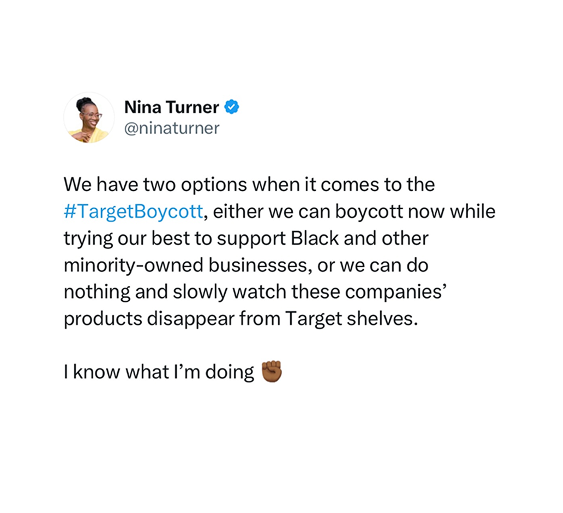
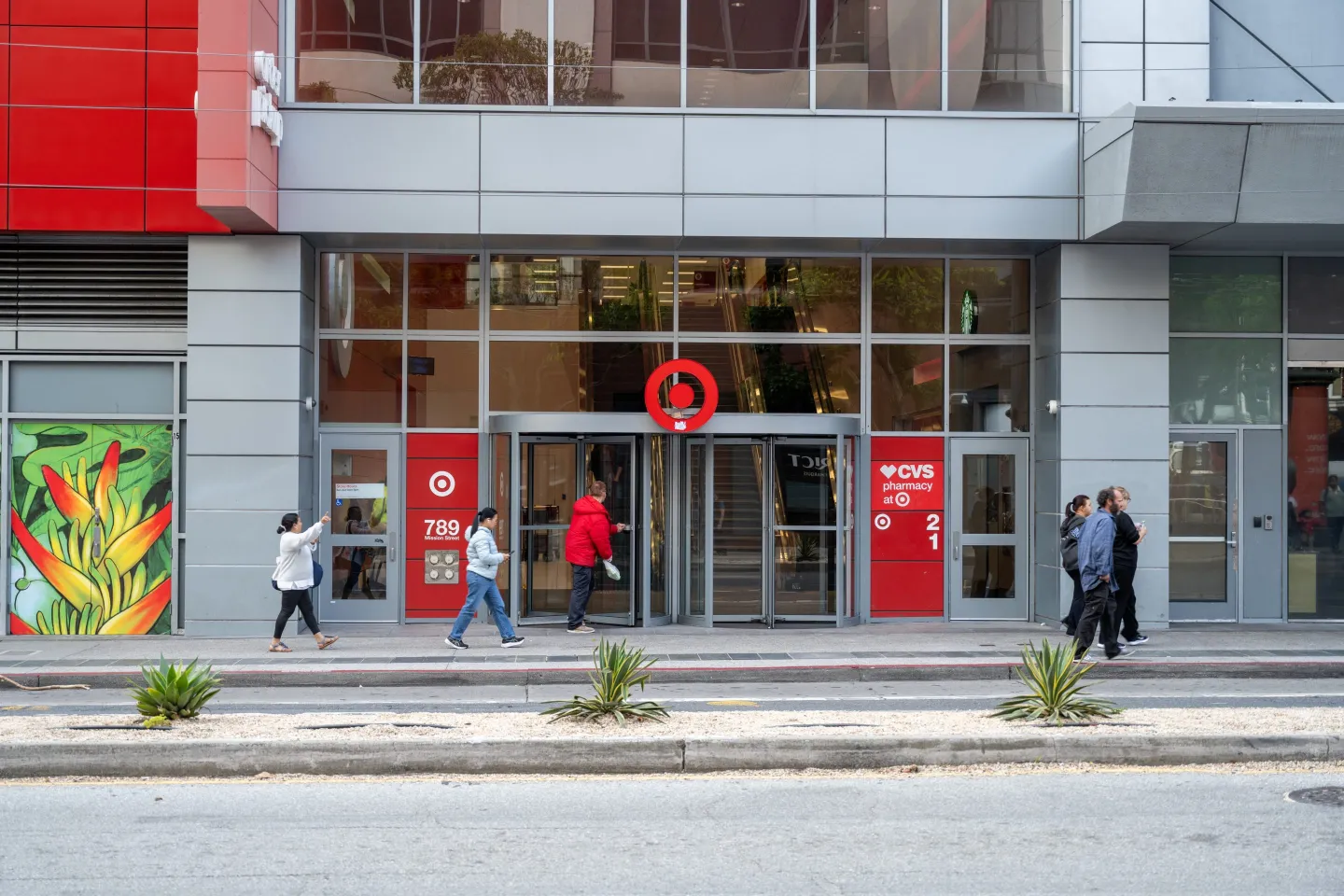
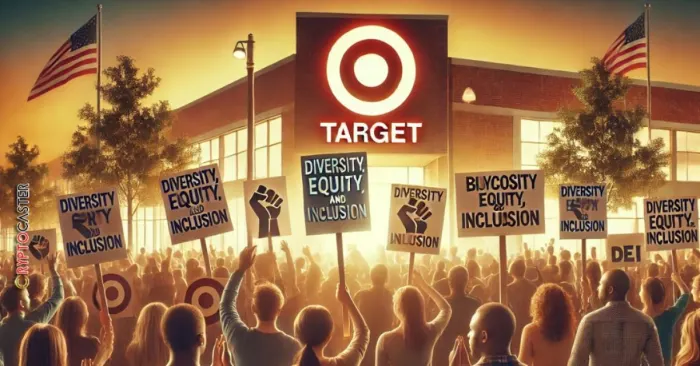
We started with Target, after they failed to follow through on commitments to Black communities made in 2020. But this fight goes beyond one company. Our mission: empower informed buyers, support strategic sellers, and unite spiritual leaders to shift power where it belongs—in the hands of the people.
IN 2020, TARGET PLEDGED TO INVEST IN BLACK COMMUNITIES.
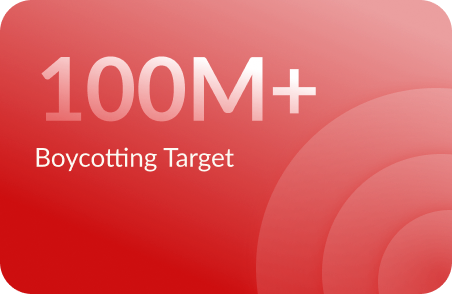
Four years later, they bent to bigotry and betrayed that promise. We’ve responded with collective action — millions are shifting their dollars elsewhere until Target delivers on its word.
Demand 1
Honor the $2 billion pledge
Target should fulfill its commitment to the Black business community through product purchases, services, and advertising.
Deposit $250 million in Black banks
This would support Black financial institutions.
Demand 2
Fully restore DEI commitments
Target should reinstate all programs promoting diversity, equity, and inclusion.
Demand 3
Pipeline community centers at 10 HBCUs
This would help establish retail business programs at Historically Black Colleges and Universities.
The political atheists however call us to be cynical, remain alert, remain in the streets, protest even when so-called "Good Kings" fill the so-called "Good Structures" of democracy.
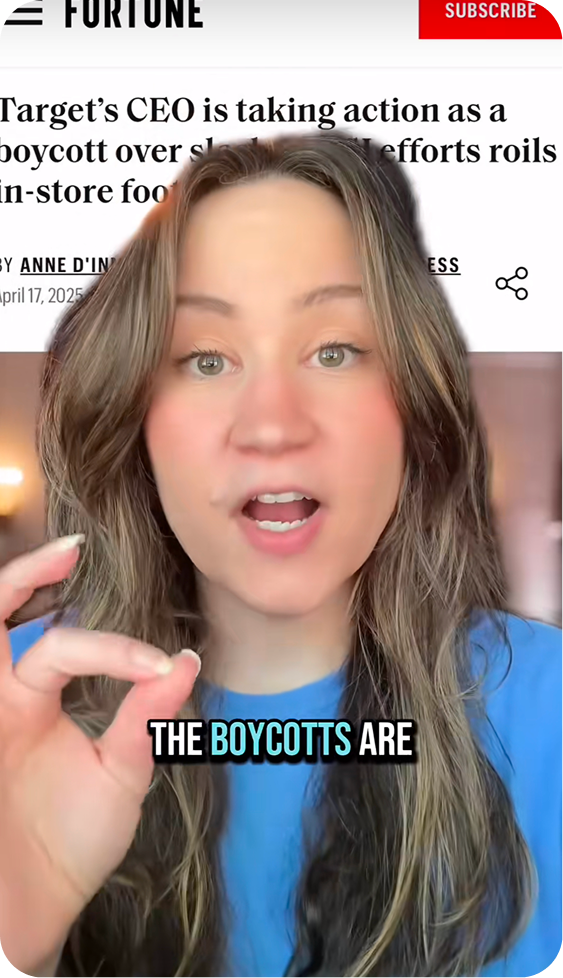
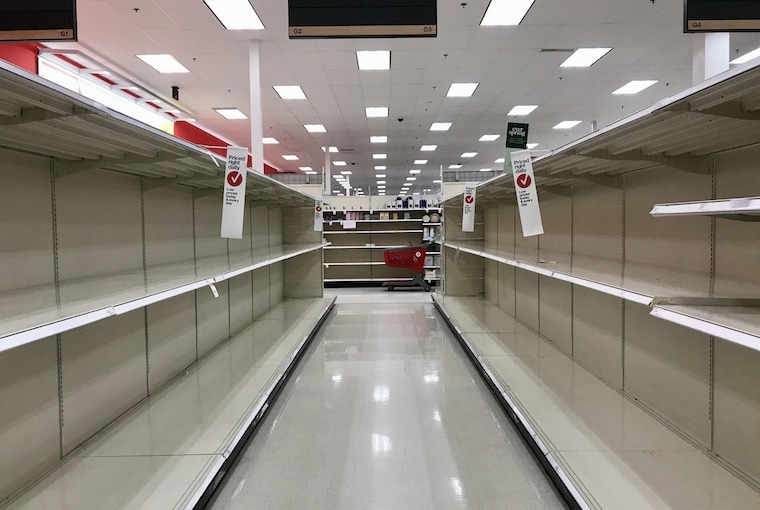
Target was hoping for a back-to-school sales bump that never came. Foot traffic is still down for the 7th month in a row
Target hoped for a back-to-school shopping bump, but foot traffic fell for the seventh straight month in August, and now a national teacher’s union has joined a boycott against the retailer.
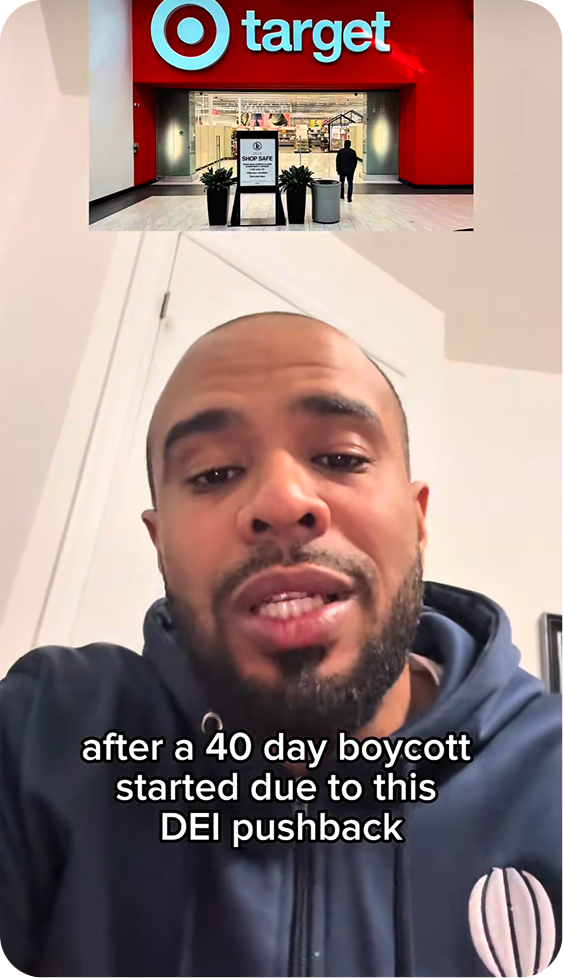
On Friday, January 24th, Target announced it was rolling back diversity, equity and inclusion programs — including some that aim to make its workforce and merchandise better reflect its customers.
In a memo sent to its employees, the Minneapolis-based retailer said it will end its three-year DEI goals, stop reports to external diversity-focused groups like the Human Rights Campaign’s Corporate Equality Index and end a program focused on carrying more products from Black- or minority-owned businesses.
On January 25th, We Are Somebody was the first national organization to call for a boycott on Target with a start date of February 1st, to coincide with the start of Black History Month.
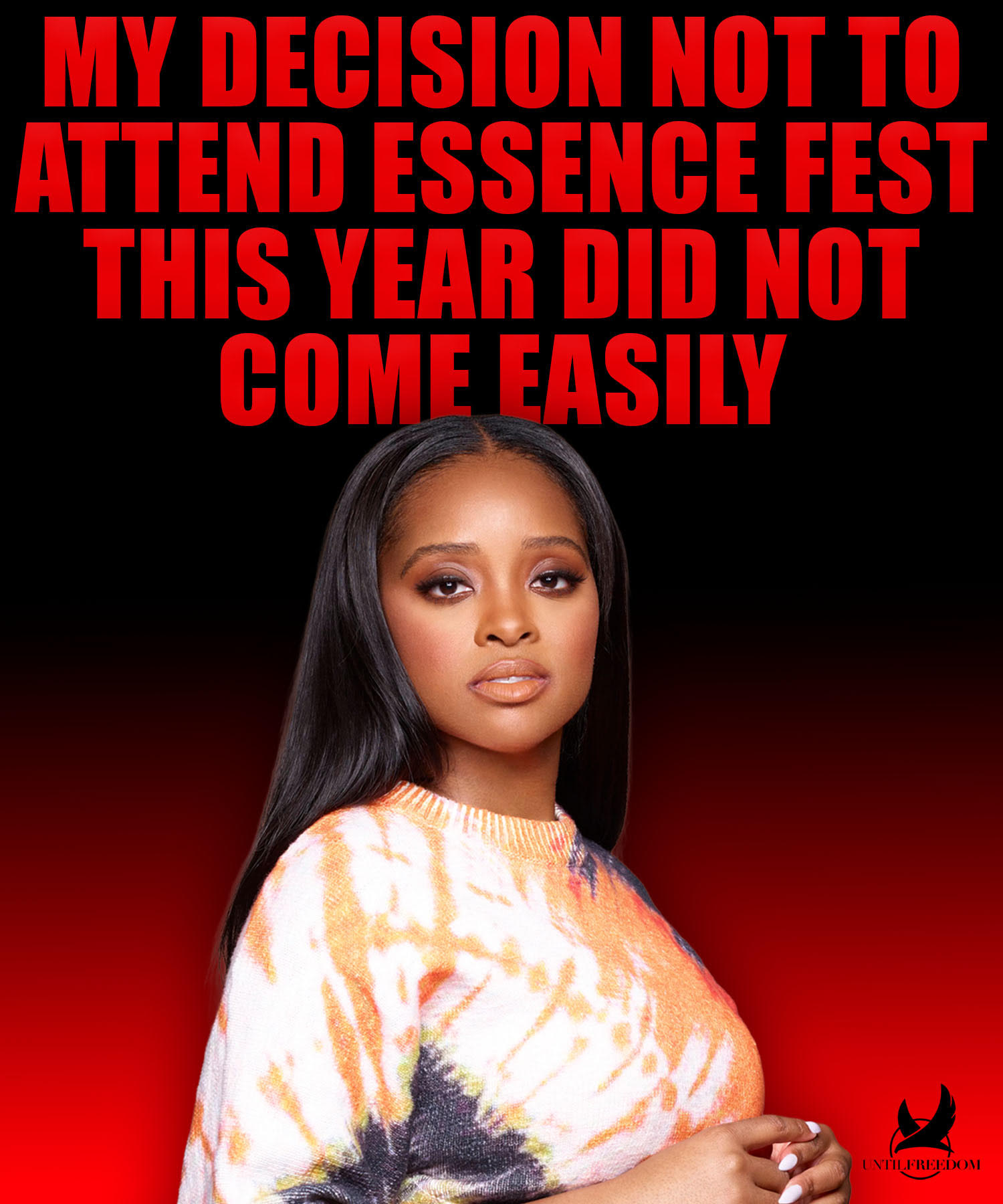
We Are Somebody joined forces with Until Freedom, co-founded by Tamika Mallory, to combat misinformation and uplift Black and other minority owned businesses that would potentially be impacted by a boycott.
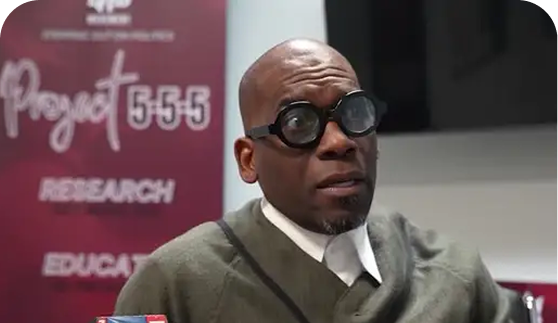
In February, Pastor Jamal Bryant announced he would be leading a ‘Target Fast’ that coincided with lent.
The three entities joined forces and announced the Target Boycott Organizing Committee to centralize discussions.
TOPLINEs
In January, Target reversed its commitment to diversity, equity, and inclusion initiatives it implemented following the murder of George Floyd in 2020 in Minneapolis.
We Are Somebody led the call for a nationwide boycott of Target, starting February 1st to coincide with the start of Black History Month.
Since the boycott started, Target leadership, CEO Brian Cornell in particular, has made multiple attempts to divide the communities that are boycotting by meeting with community leaders individually.
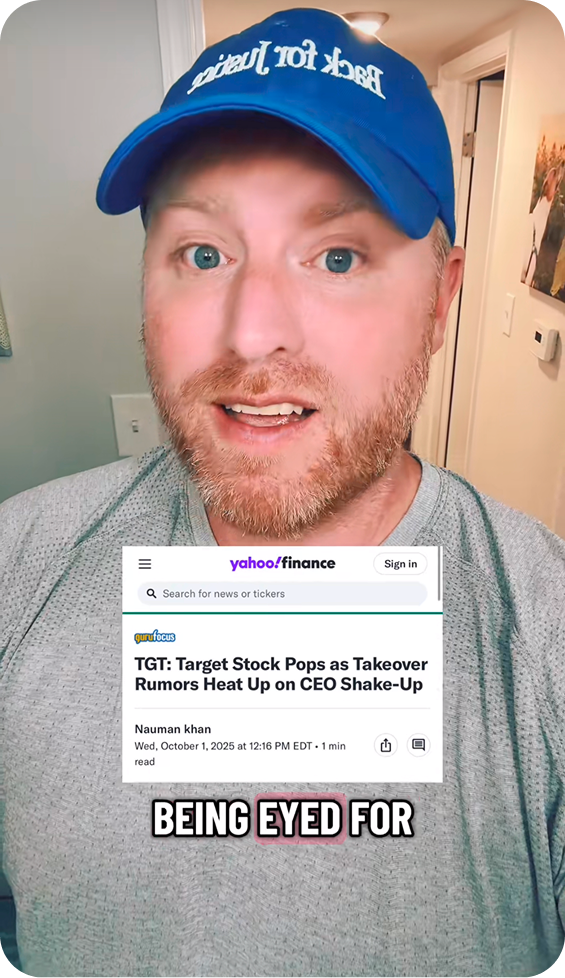
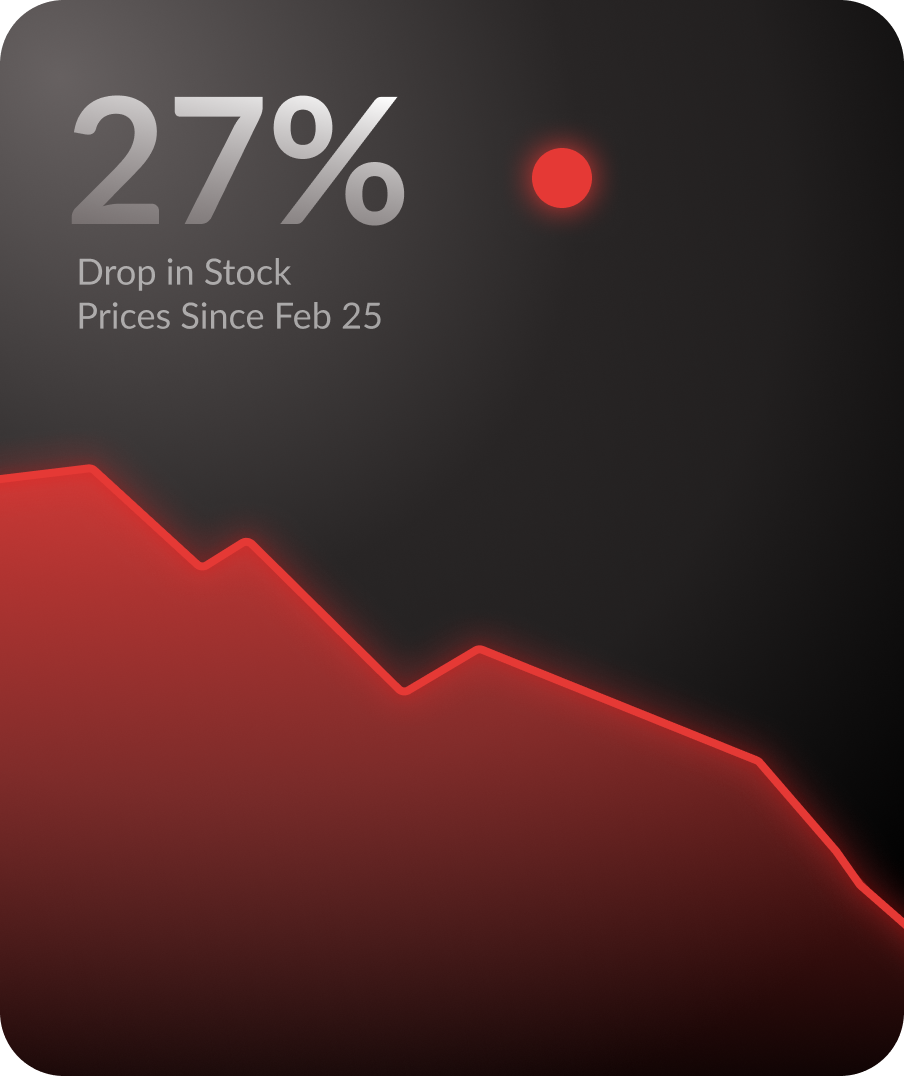
Since the boycott began, Target stock has fallen roughly 27%, foot traffic in stores has been down for four straight months, and Target sales in Q1 of 2025 were down 2.8% to $23.8 billion.
Our Demands
Honor the $2 billion pledge: Target should fulfill its commitment to the Black business community through product purchases, services, and advertising.
Deposit $250 million in Black banks: This would support Black financial institutions.
Fully restore DEI commitments: Target should reinstate all programs promoting diversity, equity, and inclusion.
Pipeline community centers at 10 HBCUs: This would help establish retail business programs at Historically Black Colleges and Universities.
Organic Organizing Efforts
Groups like Latino Freeze, local Minneapolis leaders, and faith leaders in Washington D.C. have been active in this boycott effort.
Labor leader Delores Huerta gave her support early on and continues to mention the boycott in her speaking engagements across the country. She is the newest member of the Target Boycott Organizing Committee.
60 pastors across the country organized prayer services at local Target stores on May 25, 2025, to mark the 5th anniversary of the murder of George Floyd.
Impact
Since the boycott started, On February 14–18, 2025, Target (TGT) traded around $128–$130 per share, as of June 20, 2025, the stock closed at $95.54, marking a drop of roughly 25–27% from early February levels.
Target’s foot traffic has declined for 4 straight months, per the latest reporting.
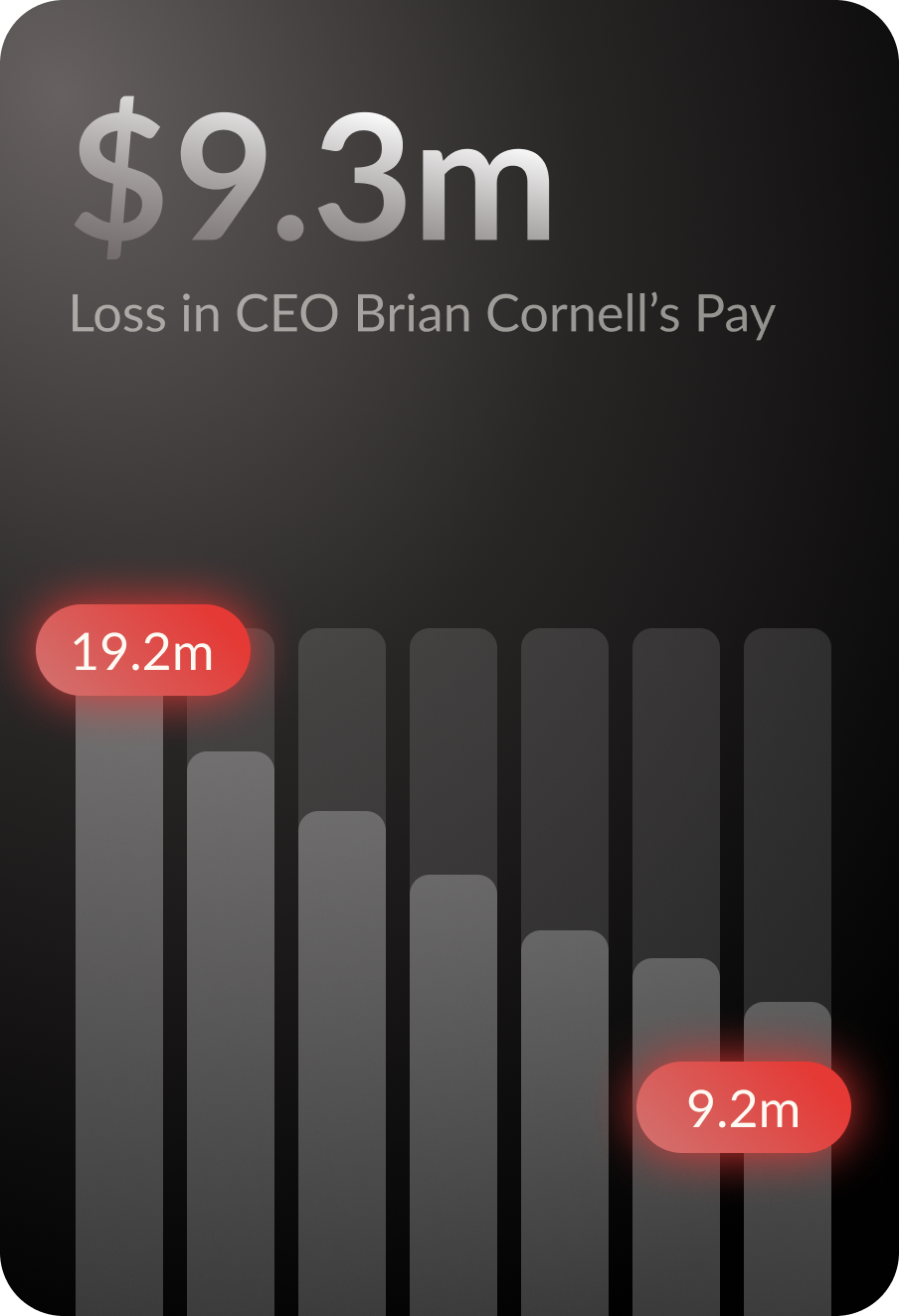
Target CEO Brian Cornell’s pay has decreased 45% to $9.9 million, down from $19.2 million.
Overview
On Friday, January 24th, Target announced it was rolling back diversity, equity and inclusion programs — including some that aim to make its workforce and merchandise better reflect its customers.
In a memo sent to its employees, the Minneapolis-based retailer said it will end its three-year DEI goals, stop reports to external diversity-focused groups like the Human Rights Campaign’s Corporate Equality Index and end a program focused on carrying more products from Black- or minority-owned businesses.
On January 25th, We Are Somebody was the first national organization to call for a boycott on Target with a start date of February 1st, to coincide with the start of Black History Month.
We Are Somebody joined forces with Until Freedom, co-founded by Tamika Mallory, to combat misinformation and uplift Black and other minority owned businesses that would potentially be impacted by a boycott.
In February, Pastor Jamal Bryant announced he would be leading a ‘Target Fast’ that coincided with lent.
The three entities joined forces and announced the Target Boycott Organizing Committee to centralize discussions.
Toplines
In January, Target reversed its commitment to diversity, equity, and inclusion initiatives it implemented following the murder of George Floyd in 2020 in Minneapolis.
We Are Somebody led the call for a nationwide boycott of Target, starting February 1st to coincide with the start of Black History Month.
Since the boycott started, Target leadership, CEO Brian Cornell in particular, has made multiple attempts to divide the communities that are boycotting by meeting with community leaders individually.
Since the boycott began, Target stock has fallen roughly 27%, foot traffic in stores has been down for four straight months, and Target sales in Q1 of 2025 were down 2.8% to $23.8 billion.
Our Demands
Honor the $2 billion pledge: Target should fulfill its commitment to the Black business community through product purchases, services, and advertising.
Deposit $250 million in Black banks: This would support Black financial institutions.
Fully restore DEI commitments: Target should reinstate all programs promoting diversity, equity, and inclusion.
Pipeline community centers at 10 HBCUs: This would help establish retail business programs at Historically Black Colleges and Universities.
Organic Organizing Efforts
Groups like Latino Freeze, local Minneapolis leaders, and faith leaders in Washington D.C. have been active in this boycott effort.
Labor leader Delores Huerta gave her support early on and continues to mention the boycott in her speaking engagements across the country. She is the newest member of the Target Boycott Organizing Committee.
60 pastors across the country organized prayer services at local Target stores on May 25, 2025, to mark the 5th anniversary of the murder of George Floyd.
Impact
Since the boycott started, On February 14–18, 2025, Target (TGT) traded around $128–$130 per share, as of June 20, 2025, the stock closed at $95.54, marking a drop of roughly 25–27% from early February levels.
Target’s foot traffic has declined for 4 straight months, per the latest reporting.
Target CEO Brian Cornell’s pay has decreased 45% to $9.9 million, down from $19.2 million.
join us
Join millions of others using their dollars to demand accountability. Your money has power. Add your name to the growing movement holding corporations to their promises.